

Should You Lease or Buy Fleet Vehicles?
June 4, 2026
Share this article:
The decision to lease or buy fleet vehicles depends on your budget, vehicle usage, and long-term business goals. Leasing can reduce upfront costs and provide access to newer vehicles, while buying may offer greater long-term value and operational flexibility.
For trucking companies and fleet-based businesses, the right choice can affect operating costs, maintenance planning, and overall fleet performance.
Understanding the Difference Between Leasing and Buying Fleet Vehicles
Leasing fleet vehicles means paying to use vehicles for a set period, while buying gives your company full ownership. Each option affects costs, maintenance responsibilities, and fleet flexibility differently.
Leasing typically involves lower upfront expenses and newer vehicles, while buying can provide better long-term value and greater operational control. The right choice depends on your budget, vehicle usage, and long-term fleet goals.
The Advantages of Leasing Fleet Vehicles
Leasing fleet vehicles can help companies reduce upfront expenses, operate newer vehicles, and simplify some maintenance responsibilities. For fleets focused on flexibility and lower short-term costs, leasing may provide several operational advantages.
Lower Upfront Costs
Leasing fleet vehicles usually requires less upfront capital than purchasing vehicles outright. This can help companies preserve cash flow while adding vehicles to the fleet more quickly.
Lower initial costs may also allow businesses to invest more funds into hiring, maintenance programs, or fleet technology.
Access to Newer Vehicles
Leasing gives fleets the opportunity to replace vehicles more frequently. Newer vehicles typically include updated safety features, improved fuel efficiency, and newer technology systems.
For fleets focused on reliability and driver satisfaction, newer vehicles can help reduce operational disruptions and improve overall performance.
Reduced Maintenance Concerns
Many lease agreements include maintenance coverage or warranty protection during the lease term. This can help reduce unexpected repair expenses and simplify maintenance planning.
Operating newer vehicles may also reduce the likelihood of major mechanical issues during daily operations.
Potential Tax Benefits
Some businesses may qualify for tax advantages through vehicle lease payments. Fleet managers should work with financial professionals to understand how leasing may affect their tax strategy.
The Disadvantages of Leasing Fleet Vehicles
Leasing fleet vehicles can limit ownership, restrict vehicle usage, and create higher long-term costs for some fleets. Companies should evaluate contract terms carefully before committing to a lease agreement.
No Vehicle Ownership
Leased vehicles remain the property of the leasing company. At the end of the contract, fleets return the vehicles instead of keeping them as business assets.
This means companies do not build equity or gain resale value from the vehicles over time.
Mileage and Usage Restrictions
Many lease agreements include mileage limits and usage restrictions. Fleets that exceed those limits may face additional fees or penalties.
For high-mileage operations, these restrictions can create added operating costs and reduce flexibility.
Long-Term Cost Consideration
Leasing may reduce short-term expenses, but ongoing lease payments can become more expensive over several years. Companies that keep vehicles for long periods may spend less overall through ownership.
Long-term financial goals should play a major role in the decision process.
Contract Limitations
Lease agreements may limit vehicle modifications or early contract termination. Fleets should review contract terms carefully before signing.
The Advantages of Buying Fleet Vehicles
Buying fleet vehicles gives companies full ownership, greater operational control, and stronger long-term value. For fleets that plan to keep vehicles for many years or operate high-mileage routes, purchasing may provide better financial flexibility over time.
Long-Term Cost Savings
Although purchasing vehicles requires a larger upfront investment, ownership can reduce long-term transportation costs. Once vehicles are paid off, fleets avoid ongoing monthly lease payments.
Companies that keep vehicles in service for extended periods may see stronger overall value through ownership.
Full Operational Control
Owning vehicles gives fleets complete control over customization, branding, and equipment installation. Companies can modify vehicles based on operational needs without lease restrictions.
This flexibility can be especially helpful for fleets that require specialized equipment or frequent vehicle upfits.
Asset Value and Resale Opportunities
Purchased vehicles remain business assets and may retain resale value over time. Trade-ins or resale can help offset future vehicle replacement costs.
Better Fit for High-Mileage Fleets
Buying vehicles may make more financial sense for fleets that operate long routes or accumulate high mileage quickly. Ownership removes mileage penalties and usage restrictions commonly found in lease agreements.
For trucking companies that rely heavily on vehicle usage, purchasing can provide greater flexibility and fewer operating limitations.
The Disadvantages of Buying Fleet Vehicles
Buying fleet vehicles can increase upfront expenses and place more maintenance responsibility on the company. Fleets should consider long-term operating costs, vehicle replacement schedules, and technology updates before purchasing vehicles outright.
Higher Upfront Investment
Purchasing vehicles usually requires a larger initial investment than leasing. This can affect cash flow and limit how quickly some companies expand their fleets.
Financing costs may also increase total vehicle expenses over time.
Increased Maintenance Responsibility
Fleet owners are responsible for all maintenance and repair costs once warranty coverage expires. Older vehicles may require more frequent repairs, inspections, and part replacements.
Without proper maintenance planning, repair expenses can increase significantly over time.
Vehicle Depreciation
Purchased vehicles lose value as they age and accumulate mileage. Market conditions, wear and tear, and vehicle condition all affect resale value.
Some fleets may recover only a portion of their original investment when replacing vehicles.
Potential for Older Fleet Technology
Companies that keep vehicles for long periods may operate older technology longer than leased fleets. Older vehicles may lack updated safety features, fuel efficiency improvements, or newer fleet management systems.
This can affect operational efficiency and driver experience over time.
Key Factors to Consider Before Making a Decision
The decision to lease or buy fleet vehicles depends on budget, vehicle usage, growth plans, and long-term operating goals. Fleet managers should evaluate mileage, maintenance costs, replacement schedules, and operational flexibility before making a decision.
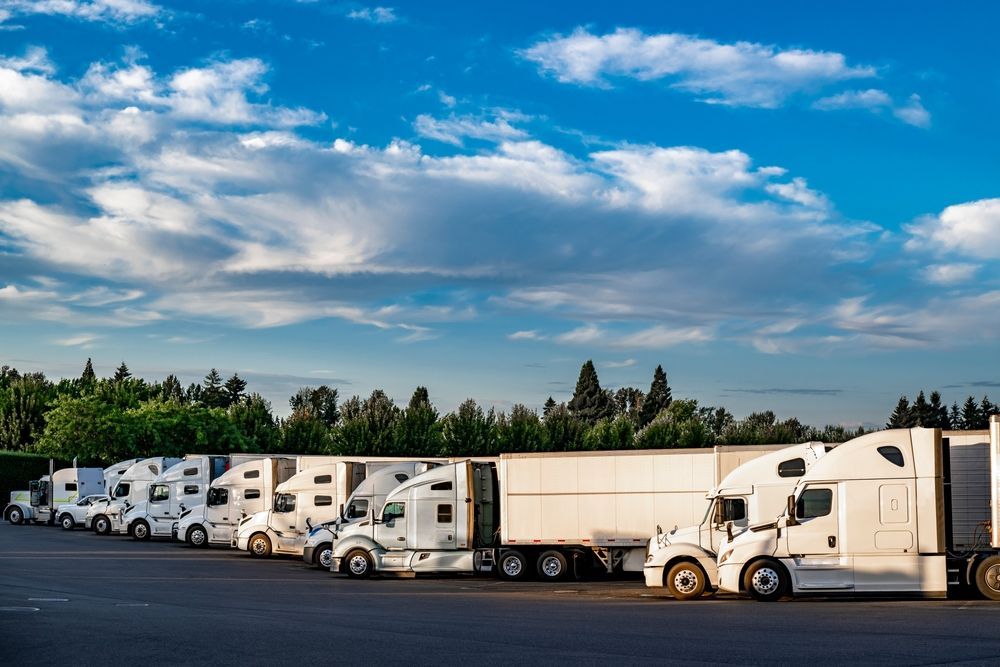
Lease vs Buy: Which Option Is Best for Your Business?
Leasing may work better for companies focused on lower upfront costs and newer vehicles, while buying may provide better long-term value for high-mileage fleets. The right choice depends on your budget, operational needs, and long-term fleet strategy.
How Fleet Management Impacts the Decision
Fleet management plays a major role in deciding whether to lease or buy fleet vehicles. Vehicle tracking, maintenance planning, driver performance, and operating costs all affect long-term fleet value.
Fleets that closely monitor maintenance schedules, fuel usage, and vehicle performance may have more flexibility to keep purchased vehicles in service longer. Companies that prefer predictable monthly expenses and faster vehicle replacement cycles may benefit more from leasing.
National Fleet Services helps trucking companies improve fleet performance through
compliance support, operational insight, and
DOTFocused technology.
Contact National Fleet Services today to learn how smarter fleet management solutions can help your business make more informed fleet decisions.
fleet insights