
What is an ELD? Benefits & Mistakes to Avoid
January 6, 2026
Share this article:
Tracking hours used to rely on handwritten logs, prone to errors and disputes. Many assumed those paper records were good enough. That often held true until inspections, audits, or accidents revealed the gaps. The shift to electronic logging wasn’t just about technology. It changed how fleets operate, report, and protect themselves. Understanding what an ELD is helps reveal how it shapes daily operations, compliance outcomes, and long-term business stability across the trucking industry.
What is an ELD and Why Does It Matter?
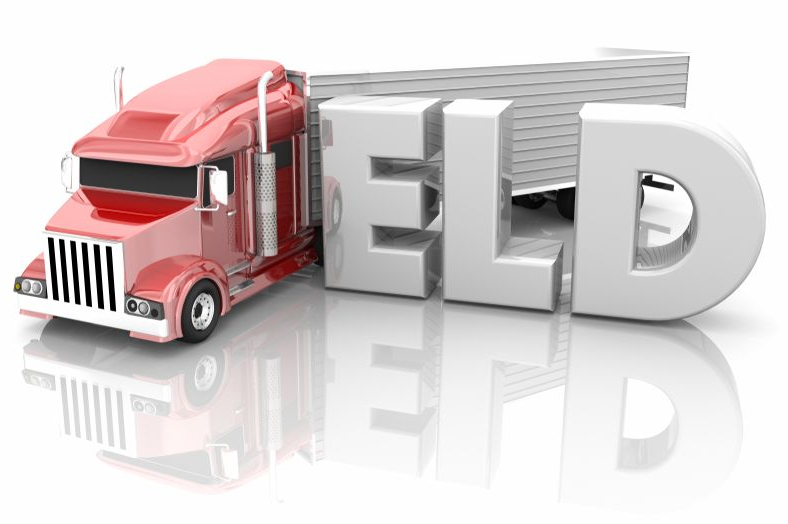
An electronic logging device (ELD) automatically records a driver’s hours of service (HOS) using data from the vehicle’s engine. Unlike paper logs or older e-logs, it creates a consistent, tamper-resistant record that aligns with federal regulations. For many fleet operators, this shift has introduced both clarity and accountability across daily schedules and inspection routines.
It reduces guesswork and ensures that driving time, rest breaks, and on-duty hours are documented accurately. This matters because HOS violations are one of the most common reasons for citations and out-of-service orders during inspections. Without a reliable system, even well-run fleets can face penalties, delays, or liability issues that affect revenue and operational flow.
While the device itself is just one part of the compliance process, it plays a central role in how operations are monitored and evaluated under DOT rules.
How ELDs Help Ensure DOT Compliance
Staying compliant with DOT regulations depends on accurate, up-to-date records. They help achieve that by automatically capturing key data points like driving time, engine hours, location, and status changes. This real-time tracking gives carriers a clear view of each driver’s hours and helps prevent violations before they happen. It also creates a dependable log that can be reviewed during audits or roadside inspections, reducing the risk of fines or delays.
For fleet managers, the ability to review logs remotely adds another layer of oversight. It allows early action if a driver is approaching limits or forgetting to log a status. That kind of visibility encourages safer operations and smarter decisions across the board. Instead of relying on fragmented reporting, fleets gain a single, reliable source of truth that meets FMCSA standards and supports stronger
fleet management practices.
Top Benefits of Using an Electronic Logging Device
Adopting an electronic logging device for trucks enhances compliance while opening the door to operational gains. When data is automated and accessible, small efficiencies can accumulate and drive broader improvements that benefit both drivers and administrators.
Some of the most valuable benefits include:
Better Fleet Visibility.
Gives managers real-time access to driver status and vehicle activity for improved coordination.
Improved Safety. Keeps fatigue-related violations in check and promotes proactive scheduling that aligns with rest requirements.
Streamlined Inspections. Simplifies presenting clean, consistent records during roadside checks and internal reviews.
Accurate Hours of Service Tracking. Reduces manual entry errors and helps drivers stay within legal limits, especially during high-volume periods.
Lower Administrative Burden. Cuts down on paperwork and simplifies compliance reporting across departments and recordkeeping systems.
These advantages can strengthen both daily operations and long-term planning. They also help
reduce compliance risk, especially in high-pressure or fast-paced environments where small errors can quickly escalate.
Common ELD Mistakes Trucking Companies Make
Even experienced fleets can encounter problems when managing them. Most challenges come not from the devices themselves, but from how they’re handled day to day. A frequent misstep is failing to train drivers thoroughly. If drivers don’t understand how to log status changes or handle malfunctions, errors can escalate quickly. Another issue is skipping regular log reviews. Without consistent checks, small discrepancies may go unnoticed until an inspection.
Some companies assume that once it’s installed, the job is done. In reality, settings must be reviewed, software kept current, and data checked regularly. Overlooking alerts or failing to respond to missing information leaves fleets exposed to violations. A well-managed ELD is a daily responsibility that calls for consistent attention and clear oversight. Building that routine takes intention, but it helps avoid larger issues later.
How to Choose the Right ELD for Your Fleet
Selecting the right ELD starts with understanding your operation’s actual needs. Not every device includes the same features or integrations. Some focus strictly on logging, while others add tools like GPS tracking, maintenance alerts, or behavior reports. Think about how these capabilities will integrate with your current systems and processes over time.
Usability is also important. A complex interface raises the likelihood of mistakes. Look for providers that deliver clear training, ongoing help, and system updates to support long-term use. FMCSA certification confirms compliance, but it doesn’t guarantee reliability or ease of use. Comparing solutions, requesting demonstrations, and asking detailed questions can prevent problems later. The right ELD should match your workflow and compliance goals while fitting seamlessly into day-to-day operations.
Avoiding Violations: Best Practices for ELD Use
Preventing violations involves more than selecting a device. It takes consistent habits, clear expectations, and regular oversight. Even small errors in logs or system updates can lead to penalties during audits or roadside inspections that might otherwise be avoidable.
Some best practices include:
Train Drivers Regularly.
Ensure drivers know how to properly use the device, log changes, and address issues correctly.
Review Logs Frequently.
Monitor entries to catch errors early and maintain clean records across all vehicles.
Monitor for Unassigned Driving Time.
Attribute all driving time to the correct driver to avoid discrepancies.
Keep Devices Updated.
Apply updates and confirm hardware continues to meet FMCSA standards for performance.
Strong ELD habits help reduce exposure and improve overall compliance. They also reinforce other areas like
Motor Vehicle Record (MVR) monitoring, which strengthens insight into driver behavior and risk.
Stay Audit Ready with ELD Oversight and Support
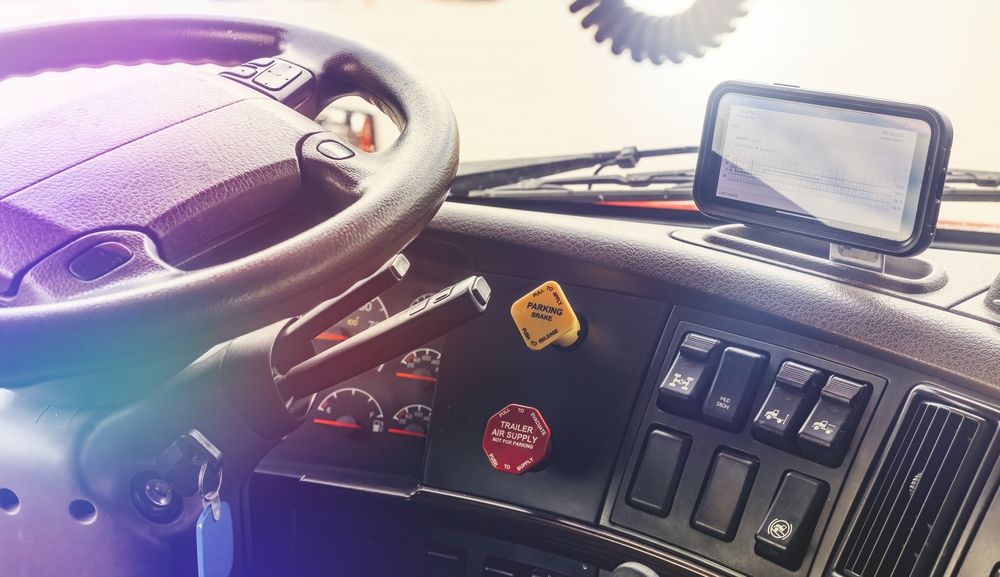
Installing it is only the first step. Long-term effectiveness depends on reviewing data consistently, correcting issues early, and keeping drivers informed. Some fleets also bring in outside expertise to strengthen their compliance process. A knowledgeable partner can identify problems, interpret trends, and recommend timely actions based on real-world experience.
DOT compliance shapes how a fleet operates, manages risk, and prepares for regulatory changes.
National Fleet Services helps businesses stay aligned through ongoing oversight and practical tools. Looking for stronger oversight and support?
Contact us to find out how National Fleet Services helps fleets stay compliant and audit-ready.
fleet insights